





Kenmore is a beautiful lakeside community at the north end of Lake Washington with a housing stock that spans several decades. Many homes in the area were built in the 1950s through 1970s, which puts them in a window where sewer line materials and installation practices were very different from what is standard today. If your Kenmore home is more than 40 years old and the sewer line has never been replaced, you could be sitting on a problem that is developing underground right now.
Why Aging Sewer Lines Fail
Clay pipe deterioration. Homes built before the mid-1970s in the greater Seattle and Kenmore area commonly used vitrified clay pipe for the sewer lateral connecting the house to the public sewer. Clay pipe is durable but brittle. After decades of ground movement, freeze-thaw cycles, and root pressure, these pipes develop cracks at the joints that widen over time.
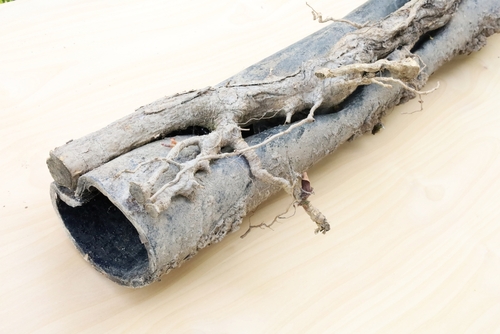
Root intrusion. Kenmore is a heavily treed area. The mature conifers and deciduous trees that make the neighborhood so appealing also send roots deep into the soil searching for water. Sewer pipes — especially clay pipes with aging joints — are a magnet for root growth. Once a root finds a crack, it grows inside the pipe and creates a progressively worse blockage.
Orangeburg pipe failure. Some homes from the 1950s and 1960s used Orangeburg pipe, which is essentially compressed wood fiber coated in tar. These pipes have a typical lifespan of about 50 years, and most have now exceeded that. When Orangeburg fails, it collapses inward and completely blocks the flow of waste.
Ground settling and shifting. The soil conditions along the north Lake Washington corridor include areas of fill and clay that shift over time. This ground movement can cause sewer pipes to separate at joints or develop belly sections where waste collects instead of flowing through.
How to Know If Your Kenmore Home Has a Sewer Problem
The warning signs tend to start small and build. You might notice that your toilets gurgle when the washing machine drains, or that your shower drain is slower than it used to be. Eventually, you may see wet spots in the yard, smell something foul near an exterior cleanout, or experience a sewage backup into a ground-floor bathroom.
A sewer camera inspection takes the guessing out of the equation. A high-definition camera fed into the line shows the exact condition of the pipe — cracks, roots, bellies, and all — so you know exactly what you are dealing with.
Protecting Your Property
If an inspection reveals damage, repair options depend on the severity. Small cracks may be addressable with a spot repair or pipe lining. Extensive damage or collapsed sections typically require replacement of the affected section or the full line. The King County Wastewater Treatment Division provides resources for homeowners dealing with sewer lateral issues and can clarify where the homeowner’s responsibility ends and the public system begins.
At Salish Plumbing Co, we serve Kenmore and the surrounding communities with thorough, honest sewer repair services. We will show you the camera footage, explain what it means in plain English, and give you a clear estimate before any work begins. Call (206) 867-0624 or contact us online.
Related: Understanding Sewer Line Problems: What Sewer Cameras Can Reveal | Seasonal Drain Maintenance for Kenmore Homeowners