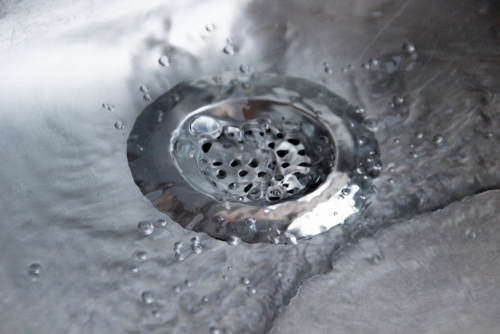






Slow drains are easy to ignore at first. The water takes a little longer to empty from the sink or the shower, and you adjust your routine without really thinking about it. But in Edmonds homes — especially those in the older neighborhoods near downtown and along the waterfront — a slow drain that does not improve on its own is almost always getting worse behind the walls.
Here is what a licensed plumber looks at when you call about slow drains, and why the diagnosis matters more than the quick fix.
Step 1: Identify Whether It Is Local or System-Wide
The first thing a plumber determines is whether the problem is in one fixture or in multiple fixtures throughout the house. A single slow bathroom sink usually means a localized clog from hair and soap buildup in the P-trap or the branch line directly behind the wall. When multiple fixtures are slow — the bathroom sink, the shower, and the tub all at once — the issue is further downstream, possibly in the main drain or sewer line.
This distinction changes the entire approach. A single clogged sink might be resolved in thirty minutes. A main line issue could require a camera inspection and a more involved solution.
Step 2: Check the Vent System
Every drain in your home connects to a vent pipe that allows air into the system so water can flow freely. If a vent pipe is blocked — by leaves, bird nests, or ice during winter — drains throughout the house will slow down because negative pressure builds in the pipe. A plumber will check whether adequate venting exists and whether any vents are obstructed.
This is a common issue in Edmonds homes surrounded by mature trees. Debris accumulates on roofs and finds its way into vent openings, especially during fall.
Step 3: Inspect for Pipe Condition Issues
In older Edmonds homes, galvanized steel drain pipes corrode from the inside out. The corrosion narrows the interior diameter of the pipe over time, reducing flow capacity even when there is no actual clog. If your plumber snakes the drain and it is still slow afterward, corroded pipes are the likely cause.
The long-term fix in this case is often a repipe of the affected section or a full drain system replacement. Your plumber can show you what the inside of the pipe looks like with a camera so you can see the condition for yourself.
Step 4: Camera the Main Line
If the slow drain issue points to the main sewer line, a sewer camera inspection is the most efficient next step. The camera reveals roots, bellied pipe, buildup, cracks, or offsets at joints — any of which can cause persistent slow drainage.
When to Call
If you have tried plunging and basic home remedies and the drain is still slow, or if you notice multiple drains acting up at the same time, calling a plumber sooner saves you from a full backup later.
At Salish Plumbing Co, we diagnose slow drains in Edmonds homes systematically rather than guessing. We find the actual cause, explain your options clearly, and fix it right. Call (206) 222-1496 or schedule online.
The Seattle Plumbing Code, which applies to the broader region including Edmonds, requires that all drain modifications meet current state standards — another reason to work with a licensed professional.
Related: How to Choose the Right Plumber in Edmonds | What Signs Indicate a Failing Water Line?